Open Charge Point Protocol (OCPP): comprehensive overview

· 3 min read
Mative CEO & Founder

The Open Charge Point Protocol (OCPP) is an open standard designed to enable communication between electric vehicle (EV) charging stations and central management systems (CSMS). Its function is comparable to communication protocols in telecommunications, ensuring interoperability across heterogeneous infrastructures.

Origins and background

OCPP was introduced in 2009 by the

oaicite:4
to address fragmentation in the EV charging ecosystem.

Before its introduction, manufacturers relied on proprietary protocols, resulting in isolated and incompatible systems. This significantly limited scalability and user accessibility.

OCPP established a standardized communication framework, enabling seamless integration between charging hardware and backend platforms.

OCPP operates within a broader ecosystem of complementary standards:

OCPI

The

oaicite:5
(OCPI) facilitates communication between Charge Point Operators (CPOs) and Mobility Service Providers (eMSPs).
It enables roaming across networks, allowing users to access multiple charging infrastructures with a single account.

ISO 15118

The

oaicite:6
standard supports advanced features such as:

  • Plug & Charge (automatic authentication)
  • Vehicle-to-Grid (V2G), enabling bidirectional energy flow

OpenADR

The

oaicite:7
protocol enables demand response management.
Utilities can signal devices to adjust consumption during peak demand or supply shortages.

Core features of OCPP

Interoperability

OCPP allows charging stations and backend systems from different vendors to communicate seamlessly, eliminating vendor lock-in.

Scalability

It is designed to support large-scale deployments, from small installations to nationwide charging networks.

Security

Includes robust security mechanisms such as TLS encryption and mutual authentication.

Smart Charging

Supports dynamic energy management by adjusting charging rates based on:

  • grid conditions
  • pricing signals
  • operational priorities

Message architecture

OCPP uses asynchronous communication with uniquely identifiable request-response pairs.
This improves resilience and efficiency in real-world network conditions.

Offline capabilities

The protocol handles intermittent connectivity through:

  • retry mechanisms
  • timestamp-based synchronization
  • local transaction storage

Protocol versions

OCPP 1.6

The most widely adopted version, featuring:

  • JSON support (in addition to SOAP/XML)
  • mature and stable functionality
  • broad industry compatibility

OCPP 2.0.1

The latest version introduces:

  • enhanced security frameworks
  • advanced smart charging capabilities
  • support for dynamic pricing models

However, lack of backward compatibility with 1.6 slows its adoption.

Strategic importance in the EV ecosystem

OCPP is considered a de facto global standard, especially in Europe and North America.
It enables:

  • interoperability across operators
  • reduced technological lock-in
  • scalable infrastructure development

It also integrates with:

  • renewable energy systems
  • energy management platforms
  • IoT and AI-driven ecosystems

Future outlook

OCPP is expected to evolve in tighter alignment with ISO 15118.
This will enable:

  • widespread adoption of Plug & Charge
  • fully automated charging workflows
  • expansion of Vehicle-to-Grid (V2G) use cases

In the long term, OCPP will play a critical role in smart grid architectures, contributing to energy efficiency and grid stability in distributed energy systems.

How RFID Monitoring Works in Garbage Collection Trucks

· 3 min read
Mative CEO & Founder

Introduction

In modern waste management, IoT and RFID technologies play a crucial role in improving operational efficiency, traceability, and service quality.

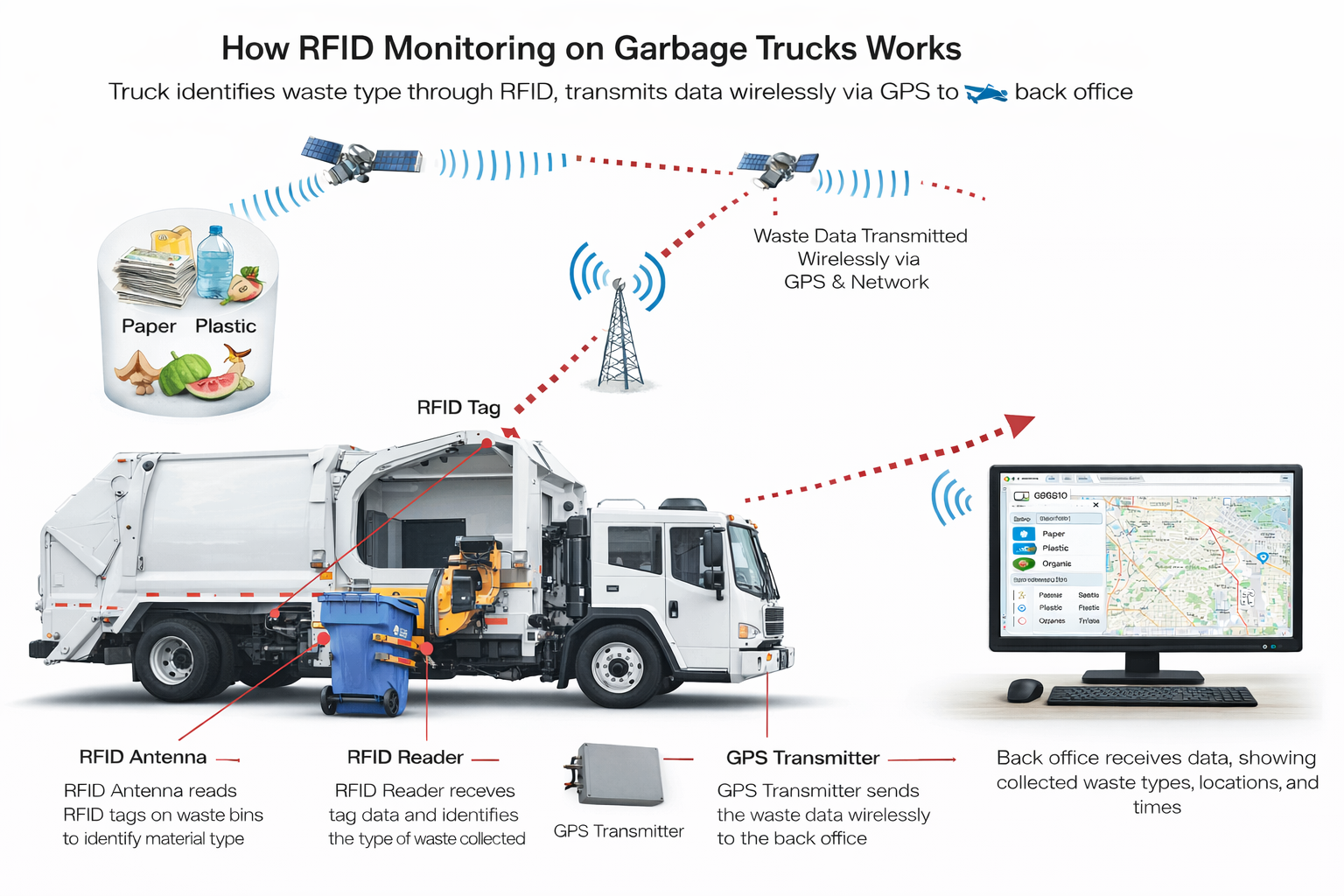
By integrating RFID systems into garbage trucks, it becomes possible to automatically identify waste containers, classify materials, and transmit data in real time to a central backoffice system.

System Architecture

An RFID-based waste collection system consists of four main components:

1. RFID Tags

Each container is equipped with a unique RFID tag containing:

  • Container ID
  • Association with user or area
  • Waste type (organic, plastic, paper, residual)

These tags are passive and activated by the reader’s electromagnetic field.


2. RFID Antenna on Truck

The truck is equipped with one or more RFID antennas, typically positioned near the lifting mechanism.

Function:

  • Activate the RFID tag during collection
  • Read data contactlessly
  • Ensure reliable readings in harsh environments

3. RFID Reader and Onboard Unit

The antenna connects to an RFID reader, integrated with an onboard computer.

This unit:

  • Decodes tag data
  • Associates events with timestamp and location
  • Integrates additional sensors (e.g., lift sensor)

This is where the collection event is validated.


4. GPS & Connectivity

The truck includes:

A GPS module Connectivity (4G/5G/LTE or satellite)

Function:

  • Transmit collected data to the central system
  • Enable real-time monitoring
  • Track routes and operations

Operational Workflow

The full process works as follows:

  1. The truck approaches a waste bin
  2. The lifting system triggers RFID reading
  3. The antenna reads the bin’s RFID tag
  4. The system identifies the waste type
  5. The system records:
    • Container ID
    • Waste type
    • Timestamp
    • GPS position
  6. Data is transmitted to the backoffice
  7. The central system processes and displays the data

Backoffice & Analytics

In the central platform, data is used for:

  • Full traceability of collection activities
  • Route optimization
  • Operational performance analysis
  • Pay-As-You-Throw (PAYT) models
  • Anomaly and missed collection detection

Dashboards typically include map visualization, reporting tools, and integration with enterprise systems.


Key Benefits

Operational Efficiency

  • Faster collection cycles
  • Process automation

Transparency and Control

  • Real-time monitoring
  • Full audit trail

Cost Optimization

  • Reduced operational costs
  • Enabling PAYT models

Sustainability

  • Better waste management
  • Increased recycling rates

Concessions in Italy from September 2025

· 3 min read
Mative CEO & Founder

Noticeboard of Calls, Vouchers, and State Incentives through which Mative technologies and services can be financed:

logIN Business CALL

From 1 to 15 September 2025

The Ministry of Infrastructure and Transport has published the ‘LogINBusiness’ call, a strategic measure worth 157 million euros provided by the PNRR to support the digital transition of freight transport and logistics companies. Development of the National Logistics Platform (PLN) through the digitalization of the logistics chain – also at the European level (eFTI).

Co-financing: 40% non-repayable grant for sustainable multimodal projects under the “De Minimis” regime, 100% non-repayable grant.

Platform opening: 01/09/2025
Application deadline: 15/09/2025
Publication of provisional ranking: after 15 September
Project implementation: by 30/06/2026

  • Eligible Expenses

Digital platforms and tools for e-CMR and load optimization
Systems for computerized dialogue with public authorities and loaders
Technologies for route planning, monitoring, e-learning, and AI

  • How to apply

Via the LogIN Business platform (through MIT and RAM)
Applications are evaluated in chronological order until resources are exhausted


Voucher for Double Digital and Ecological Transition - Year 2025

From 16 to 30 September 2025

As part of the strategic initiatives promoted by Unioncamere and in line with the objectives of the Transition 5.0 Plan.
The measure aims to support micro, small, and medium-sized enterprises (MSMEs) by providing non-repayable vouchers for projects that promote the adoption of innovative solutions geared towards digital and/or ecological transition. Funded interventions include the purchase of capital goods, specialist consulting services, and enabling 4.0 technologies.

  • Financial allocation and expected contribution

    • Fund allocated: €150,000.00
    • Maximum contribution per company: €5,000.00
    • Contribution rate: 70% of eligible expenses
    • Bonus: +10% for companies that have completed the PIDNEXT program
  • Areas of intervention and eligible expenses

    1. Digital Transition: purchase of instrumental goods/services and expenses for consulting aimed at implementing one or more 4.0 digital technologies.
    2. Ecological Transition: expenses for consulting activities and, if necessary, for the purchase of 4.0 technological goods and services.
  • Beneficiaries

    • MSMEs with an operational headquarters in the province of Avellino or Benevento
    • Active, registered in the Business Register, compliant with annual fees
    • Have not already benefited from the same call in 2024
  • Application deadlines

Applications may be submitted from 12:00 on 16 September to 23:59 on 30 September 2025 and must be sent exclusively online via the ReStart platform, with a digital signature of the company’s legal representative or a delegated intermediary.

Ask your Chamber of Commerce or contact us for more information.

Advanced Telematics for Modern Agriculture

· 3 min read
Mative CEO & Founder

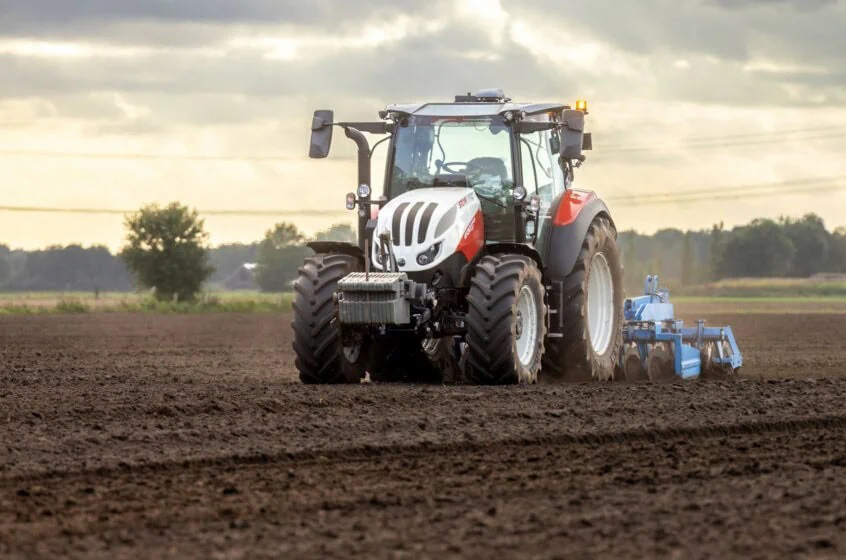
In the world of modern agriculture, precision and process control have become key elements to improve productivity, sustainability, and profitability. In this rapidly evolving scenario, technology plays a crucial role, especially when it comes to monitoring agricultural vehicles and optimizing field activities. This is where Synapsis FMX Smart CAN Control comes into play—our solution based on the FMB140 device from Teltonika, designed to bring agriculture into the IoT era.

A Common Challenge: Monitoring and Managing Agricultural Vehicles

Farming companies often have to manage fleets of tractors, harvesters, and other operational vehicles in complex and geographically dispersed contexts. The lack of real-time visibility into vehicle behavior and the absence of data on fuel consumption, working hours, or performed operations can lead to inefficiencies, excessive fuel use, and difficulties in ensuring proper maintenance.

Our Answer: Synapsis FMX Smart CAN Control

Synapsis FMX Smart CAN Control is the system designed by Mative to collect, analyze, and transform data from agricultural vehicles into strategic information, leveraging the capabilities of the FMB140. Thanks to access to CAN bus data and high-precision GPS localization, the device enables you to:

  • Monitor vehicle position and activity in real time
  • Detect operational data such as speed, engine RPM, fuel level, and operating hours
  • Receive alerts in case of anomalies or non-compliant behavior
  • Optimize routes and resource usage

A Flexible, Integrable, and Customizable System

Our device is compatible with a wide range of agricultural vehicles and easily integrates with the Mative Synapsis IoT platform, which offers intuitive dashboards, smart notifications, and detailed reports. Additionally, you can enable extra features such as:

  • Dynamic geofencing, to always know if a vehicle enters or leaves a specific area
  • AI analysis of collected data, to identify usage patterns and suggest improvements
  • Maintenance scheduling, based on actual vehicle usage

Concrete Impacts in the Field

The adoption of Synapsis FMX Smart CAN Control has already proven to deliver tangible benefits:

  • Reduction of operating costs thanks to consumption monitoring and breakdown prevention
  • Increased efficiency of agricultural operations through smart task planning
  • Better traceability of activities, also useful for certifications and quality controls
  • Greater safety for operators and vehicles

A Step Towards the Agriculture of the Future

At Mative, we believe that technological innovation should be accessible and functional. With Synapsis FMX Smart CAN Control, we support farmers, cooperatives, and agri-food companies in their digitalization journey, providing concrete tools to face sector challenges in a sustainable, efficient, and data-driven way.

To find out how to integrate Synapsis FMX Smart CAN Control into your farming business, contact us: we will be happy to guide you on your path towards Agriculture 4.0.

Overcoming Challenges in the Metalworking Industry with Industrial IoT

· 5 min read
Mative CEO & Founder

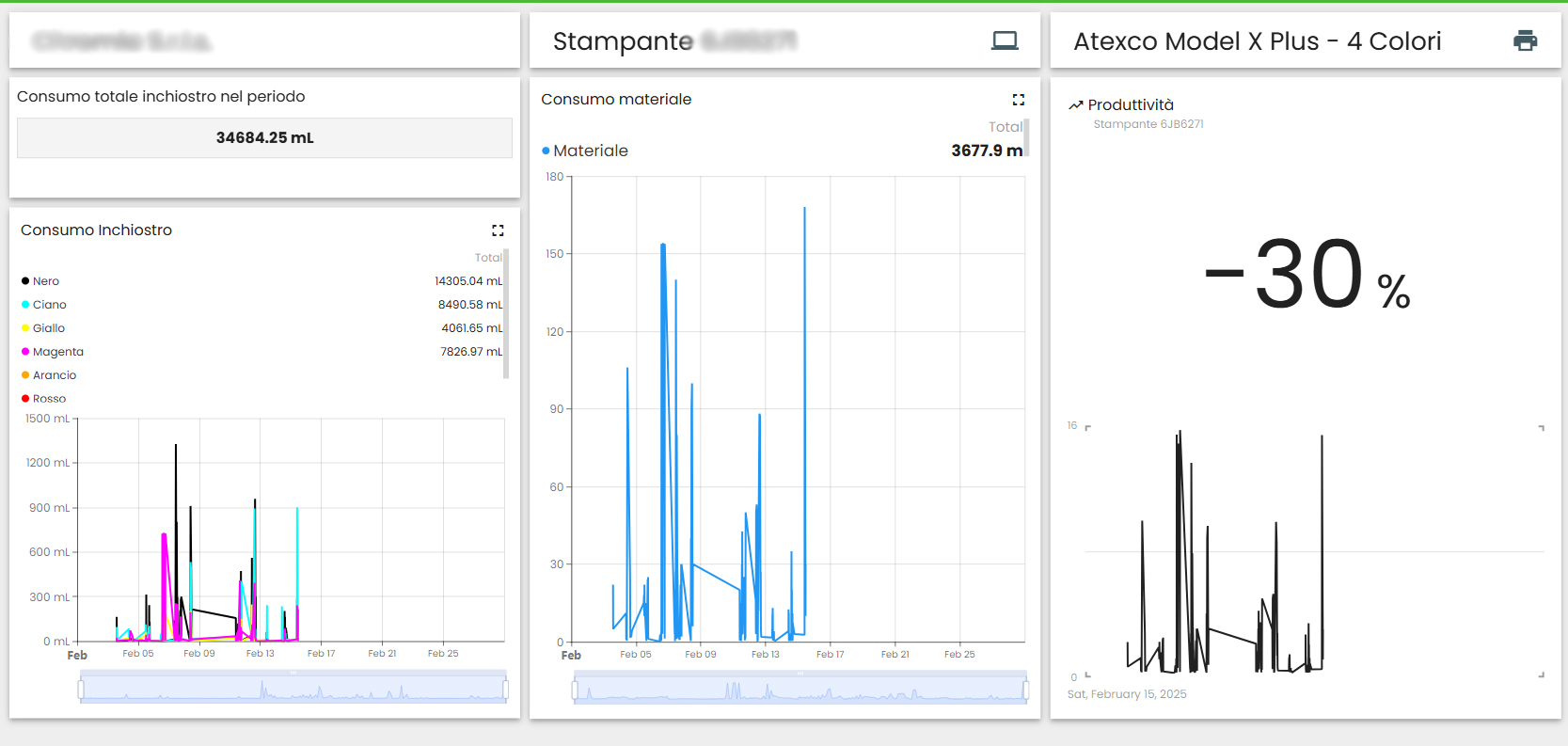
Figure 1. A custom Dashboard, created by Mative experts, to monitor the "Productivity" of a client's machines.

In the highly competitive landscape of the metalworking industry, small and medium-sized enterprises (SMEs) face a series of crucial challenges. Among these, monitoring and optimizing production emerges as one of the most pressing. Industrial IoT presents itself as a revolutionary solution, capable of radically transforming the way these companies operate and compete in the global market.

What is the situation of Metalworking SMEs?

SMEs in the metalworking sector are the beating heart of the Italian manufacturing industry. These companies face growing challenges: inflation, rising operating costs (especially energy), increasing competitiveness of foreign markets, and reduced operating margins (on average less than 10%). In this context, the need to reduce waste and optimize processes becomes crucial.

A modern and interconnected production monitoring system is essential to overcome these challenges and maintain competitiveness. The lack of real-time visibility into the status of machinery, production times, and overall plant efficiency represents a significant obstacle to optimizing production processes.

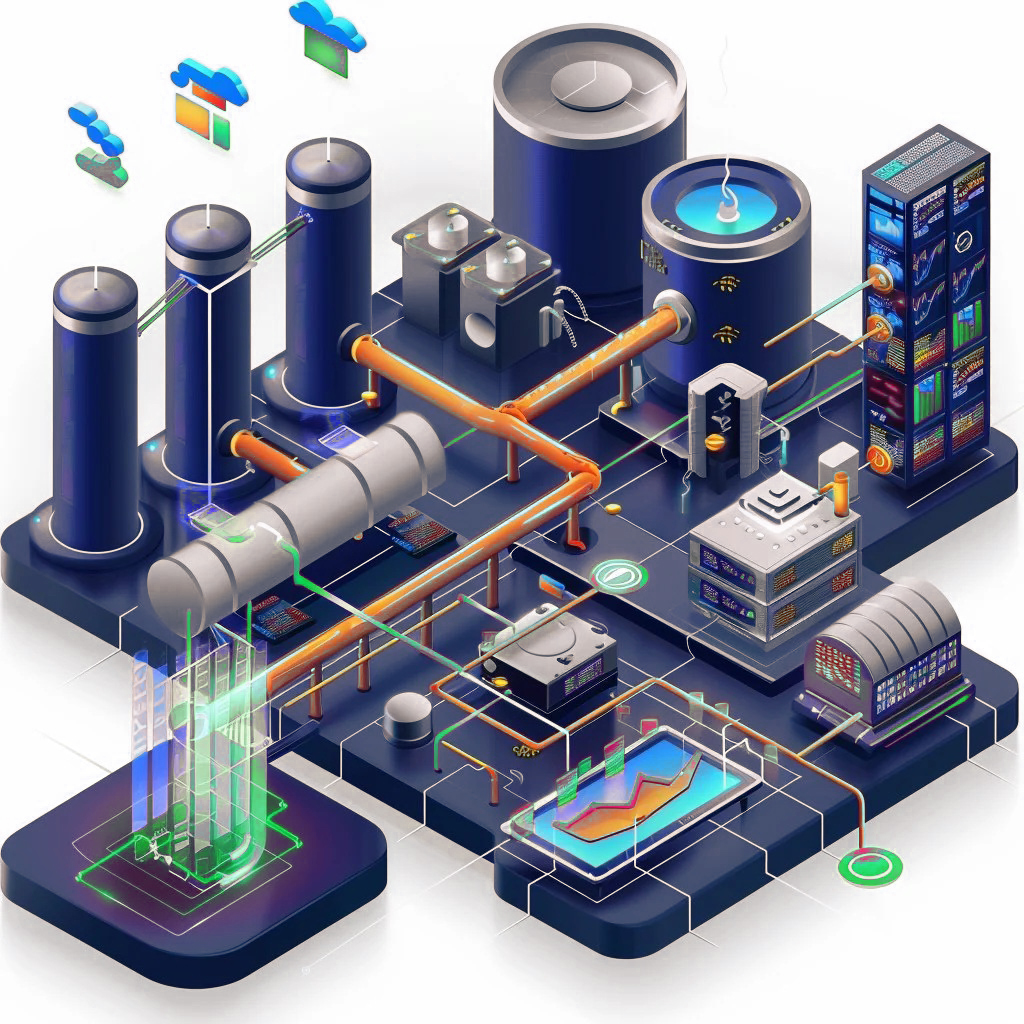
The adoption of industrial IoT solutions is the most effective response to these challenges. Advanced solutions such as the Mative Cloud and Mative Synapsis Industrial Edge platforms, specific for IoT and equipped with integrated AI, allow metalworking SMEs to overcome technological barriers, providing the necessary tools for a true digital revolution.

Identifying and reducing bottlenecks

One of the most significant advantages offered by an Industrial IoT system is the ability to quickly identify bottlenecks in the production process. Through data analysis, the Mative platform can highlight the stages that slow down the entire production cycle.

  • Mative Cloud: remote monitoring, in the Cloud, accessible also through a mobile app.
  • Mative Synapsis Industrial Edge: production chain monitoring, facilitating communication between departments, material consumption monitoring, integrated HMI.
  • Mative Synapsis ML: the main core of Mative, a module based on Artificial Intelligence tools, available on all Mative platforms, integrates AI Agent, RAG, and Machine Learning;
  • Mative Synapsis Analysis: ETL, Graphs, Smart Reports, and much more for a complete data analysis software suite;

These platforms, directly acting on the data collected from the machines, allow companies to intervene in a targeted manner, implementing specific solutions to increase overall efficiency.

Real-time monitoring: the key to efficiency

Real-time production monitoring is one of the main opportunities arising from the adoption of an industrial IoT system. The Mative Cloud platform allows the collection and analysis of data from every stage of the production process, providing crucial information on:

  • Operational status of machinery
  • Production times
  • Efficiency of individual processing stages
  • Energy consumption
  • This immediate visibility allows managers to make informed and timely decisions, reducing downtime and optimizing resource allocation.

Predictive and conditional maintenance: how to avoid machine downtime

Predictive and conditional maintenance represents a qualitative leap compared to traditional reactive or preventive approaches.

Thanks to Industrial IoT systems, metalworking SMEs can constantly monitor the health of their machinery, identifying potential problems before they turn into failures. This proactive approach not only reduces unplanned machine downtime but also optimizes maintenance costs, extending the useful life of the equipment.

Optimization of energy consumption

In an era where sustainability and energy efficiency have become absolute priorities, industrial IoT offers valuable tools for monitoring and optimizing energy consumption.

The Mative platform allows detailed tracking of energy use for each machine and process, identifying areas of waste and opportunities for savings. This granular visibility enables companies to implement targeted energy efficiency strategies, reducing operating costs and environmental impact.

Complete visibility on production

Real-time monitoring is just the first step towards a true digital revolution in the metalworking industry. To transform this visibility into a concrete competitive advantage, companies need advanced tools capable of analyzing, interpreting, and acting on the collected data.

Designed to meet the specific challenges of metalworking SMEs, the Synapsis Industrial Edge and Mative Cloud Platforms integrate industrial IoT with powerful artificial intelligence algorithms, offering a complete digital ecosystem for production monitoring and process optimization.

The Mative Cloud Platform not only provides real-time data but also transforms it into valuable insights that support the informational needs of companies.

What are the key features of the Mative platforms?

The Mative platforms, Mative Cloud and Mative Synapsis Industrial Edge, offer a complete suite of features specifically designed for the needs of the metalworking industry:

  • Customizable Dashboards: Intuitive visualizations of the most relevant KPIs for industrial plant monitoring.

  • Advanced Analytics: data analysis tools to identify trends and improvement opportunities.

  • Intelligent Alerting: real-time notifications for anomalies or critical situations.

  • IoT Integration: simplified connection of new and legacy machinery to the digital platform.

  • Efficiency of metalworking SMEs with Mative: real cases

  • The adoption of industrial IoT through the Mative platforms is not just a matter of technology, but of business transformation. Metalworking SMEs that have embarked on this path have achieved significant results:

    • Reduction of machine downtime by up to 30%
    • Increase in production efficiency by 15-20%
    • Optimization of energy consumption with savings of up to 25%
    • Improvement in product quality and reduction of waste
    • These results translate into a tangible competitive advantage, allowing companies to respond more quickly to market demands and offer superior quality products at lower costs.

Top

Decreto attuativo Transizione 5.0

· 3 min read
Rossella Guerriero
Tender & Administrative Officer
Article available only in Italian

L’Industria 5.0 rappresenta un passo avanti fondamentale per le imprese, superando i limiti dell’automazione e dell’interconnessione per abbracciare una visione umanocentrica e sostenibile. Ora sono disponibili online tutte le normative per accedere agli incentivi! Con il recente decreto attuativo del Piano Transizione 5.0, le aziende italiane dispongono ora di un quadro normativo chiaro per accedere a incentivi fiscali e supporti economici mirati a favorire l’adozione di tecnologie innovative e sostenibili.

Il decreto attuativo Industria 5.0: quali sono le novità?

Dopo mesi di attesa, è stato pubblicato il testo integrale e definitivo del Piano Transizione 5.0. Il decreto, come illustrato nell’articolo di Innovation Post, conferma due principali novità: l’ampliamento delle figure dei certificatori e l’ampliamento delle esclusioni dal divieto generale relativo al regolamento DNSH.

È stato eliminato, però, il comma che prevedeva la cumulabilità generale con altri finanziamenti dell’UE, mentre resta invariata la possibilità di cumulare la misura con altri incentivi finanziati con risorse nazionali, eccezione fatta per il credito d’imposta ZES e Transizione 4.0.

Synapsis ML di Mative: ottimizzazione e analisi dei Dati con l’Intelligenza Artificiale

Nel contesto dell’Industria 5.0, Mative ha sviluppato gli Synapsis ML con strumenti di intelligenza artificiale integrati, per trasformare l’analisi dei dati aziendali in informazioni fruibili e intuitive per prendere decisioni strategiche. Queste statistiche intelligenti offrono una visione completa e in tempo reale delle operazioni aziendali, permettendo alle imprese di monitorare e ottimizzare i loro processi produttivi e di consumo energetico. Inoltre, per quanto riguarda la documentazione prevista dal piano 5.0, abilitano i certificatori alla compilazione delle certificazioni ex ante ed ex post per dimostrare l’efficientamento della produzione ed energetico.

Grazie a una sofisticata piattaforma di raccolta e analisi dei dati, gli Synapsis ML non solo aiuta a identificare inefficienze, ma fornisce anche raccomandazioni su come migliorare le performance aziendali.

Utilizzando una combinazione di sensori IoT e algoritmi di Intelligenza Artificiale, questo strumento è in grado di raccogliere una vasta gamma di dati, dal consumo energetico alla manutenzione predittiva. In questo modo, le aziende possono prendere decisioni informate basate su dati accurati e tempestivi, migliorando non solo l’efficienza operativa ma anche la sostenibilità ambientale.

Mative: Il Partner Ideale per la Transizione Digitale ed Energetica

Mative si propone come soluzione ideale per le aziende che desiderano affrontare la sfida della Transizione 5.0. Dal design iniziale alla realizzazione e implementazione delle soluzioni, Mative offre un supporto completo, garantendo che ogni progetto risponda ai requisiti normativi e alle esigenze specifiche del cliente.

In particolare, Mative è in grado di aiutare le aziende a soddisfare i criteri necessari per accedere ai crediti d’imposta previsti dal nuovo decreto, fornendo soluzioni che garantiscono una riduzione significativa dei consumi energetici. Inoltre, con l’adozione di Synapsis ML, le aziende possono non solo monitorare i propri progressi ma anche dimostrare in modo documentato le migliorie ottenute, un elemento chiave per la rendicontazione e l’accesso agli incentivi.

Want to learn more about how Mative can help you achieve the benefits of Industry 5.0? Contact us today!

Industrial IoT and solutions by Mative

· 3 min read
Mative CEO & Founder

Digitization and IoT in the Smart Industry Era

  • Digital transformation in production processes: Digitization is revolutionizing production processes in the Smart Industry era, enabling companies to interconnect machinery, sensors, and management systems. This interconnection creates a continuous and real-time data flow that can be used to optimize operational efficiency and improve production. Every machine and asset becomes part of an intelligent network, capable of self-managing and responding to changing market conditions.

  • IoT for operational efficiency: The Internet of Things (IoT) plays a central role in the Smart Industry, allowing real-time data collection from connected devices. Sensors installed on machines and plants provide crucial information to monitor performance, detect imminent failures, and optimize the production cycle. This approach reduces downtime, ensuring greater efficiency and timely maintenance.

  • Integration and innovation: Digitization combined with IoT facilitates the implementation of new technologies and personalized services. Companies can integrate their production systems with cloud platforms and artificial intelligence solutions, enabling automation and remote control of operations. This represents a continuous evolution, capable of adapting to new market needs and fostering competitive growth.

Mative's Solutions for Industrial IoT

  • Mative Cloud for Smart Industry: Mative can manage new devices, handle their lifecycle, receive and store data from telematics devices and sensors in the Cloud, execute remote commands and firmware updates over-the-air (FOTA), analyze device data, and create rules for intelligent alerts. Mative's connectivity and data processing capabilities leverage widespread protocols like MQTT and can easily integrate with popular data management systems and databases, seamlessly fitting into your existing backend.

  • Implementation of Industrial IoT: Mative Cloud is a widely used enterprise IoT platform as an industrial IoT (IIoT) solution, functioning as a cloud application manager for connected industrial production plants. A key feature of Mative is its independence from hardware and transport means, allowing easy integration with a wide range of sensors, controllers, machines, and device gateways, supporting any existing industrial infrastructure. The Mative Cloud platform offers a complete and integrated IIoT solution: we manage ModBus, OPC UA, Can Open protocols, and integrations with PLC plants.

  • Development and integration: Mative's APIs simplify integration and DevOps tasks, enabling the rapid assembly of end-to-end IoT solutions for industrial system automation, predictive maintenance, and remote monitoring. Mative also has an intuitive web dashboard tool to configure data visualization widgets that perform production monitoring routines. Recent innovations such as IIoT, Big Data, and AI are ready to autonomize factories using industrial robots and smart devices. The Mative Cloud platform is at the forefront of making autonomous factories a reality.

AI Inference

· 2 min read
Mative CEO & Founder

AI Inference is the process through which an artificial intelligence model applies what it has learned during training to make predictions, classifications, or decisions based on new input data.

How AI Inference Works

  1. Trained Model: An AI model is trained on a dataset. During training, it learns patterns and relationships from the data.
  2. Inference: Once trained, the model is used to make predictions on previously unseen data.

Example:

  • A computer vision model trained to recognize images of cats (training phase) receives a new image and determines whether it contains a cat or not (inference phase).

Key Features of AI Inference

  • Efficiency: Fast and optimized for real-time or resource-constrained environments
  • Deployment: Runs on edge devices (smartphones, IoT sensors) or cloud environments
  • Optimization: Uses techniques like quantization to improve performance

AI Inference vs Training

AspectTrainingInference
ObjectiveLearn from labeled dataMake predictions
ComplexityHigh (needs GPU/TPU)Lower
TimeHours/daysMilliseconds
EnvironmentData centersCloud/edge devices

Common Applications

  1. Speech Recognition: Virtual assistants like Alexa
  2. Computer Vision: Self-driving cars, surveillance
  3. Recommendations: Netflix, Amazon suggestions
  4. Translation: Google Translate

Differences between AI, ML, LLM, and Generative AI

· 4 min read
Mative CEO & Founder

Here is an overview of the differences between AI, ML, LLM, and Generative AI:


1. AI (Artificial Intelligence)

Artificial Intelligence is the broadest field that deals with creating machines or systems that can simulate human intelligence. It includes any technology or method that allows a system to perform tasks that normally require human intelligence, such as reasoning, natural language recognition, planning, and problem-solving.

Examples of AI:

  • Recommendation systems (e.g., Netflix, Amazon).
  • Virtual assistants like Siri and Alexa.
  • Autonomous driving systems.

2. ML (Machine Learning)

Machine Learning is a subset of AI that focuses on using algorithms to enable machines to learn from data without being explicitly programmed.
ML algorithms analyze data, identify patterns, and improve their performance over time.

Main types of ML:

  • Unsupervised Learning: The algorithm is trained on labeled data (e.g., classifying emails as spam or not). There are two types of analysis that can identify patterns and relationships in data without the need for training or human intervention: anomaly detection and outlier detection.
    • Anomaly Detection: This approach requires time series data. It builds a probabilistic model that continuously monitors the data to identify unusual events as they occur. The model evolves over time and can provide useful insights for predicting future behaviors.
    • Outlier Detection: Unlike anomaly detection, this technique does not require time series data. It is a type of data analysis that identifies unusual points in a dataset by evaluating the proximity of each point to others and the density of the group of points around it. This analysis is not continuous: it produces a copy of the dataset, where each point is annotated with an outlier score, indicating how different that point is from the others.
  • Supervised Learning: Supervised Machine Learning uses training datasets to build predictive models. The main techniques are classification and regression. In both supervised machine learning techniques, the result is a dataset where each point is enriched with a prediction and a trained model. This model can then be applied to new data to make further predictions.
    • Classification: This type of analysis learns the relationships between data to predict discrete or categorical values. For example, it can be used to determine whether a DNS request comes from a malicious or benign domain.
    • Regression: This method focuses on predicting continuous numerical values. A typical example is estimating the response time for a web request based on available historical data.
  • Reinforcement Learning: The system learns through trial and error (e.g., robotics, games).

Examples of ML:

  • Anomaly detection.
  • Predictive analysis.
  • Image recognition.
  • Weather forecasting.
  • Fraud detection.

3. LLM (Large Language Models)

Large Language Models are a specific category of AI models trained on large amounts of textual data to understand, generate, and interact in natural language. These models use deep learning architectures, such as Transformers (e.g., GPT, BERT), to analyze context and generate responses.

Characteristics of LLM:

  • Trained on billions of parameters and enormous datasets.
  • Capable of understanding complex linguistic nuances and responding realistically.
  • Suitable for a variety of applications, such as creative writing, customer service, and text analysis.

Examples of LLM:

  • GPT (like ChatGPT).
  • BERT.
  • LaMDA.

4. Generative AI

Generative AI is a specific branch of AI that focuses on creating original content, such as images, texts, music, or videos. It relies on deep learning models, including GANs (Generative Adversarial Networks) and transformer-based models like GPT and DALL·E.

Main characteristics:

  • Can create entirely new content based on input or prompts.
  • Uses training data to understand underlying patterns and generate realistic outputs.

Examples of Generative AI:

  • Image creation (e.g., DALL·E, MidJourney).
  • Text generation (e.g., ChatGPT).
  • Music or synthetic voice generation (e.g., OpenAI's Jukebox).

Main Differences:

TermFieldDescriptionExample
AIGeneralSimulates human intelligence for complex tasks.Siri, autonomous systems
MLSubset of AIFocuses on learning from data to improve performance.Fraud detection, clustering
LLMSpecialization in NLPAdvanced models for understanding and generating natural language.GPT, BERT
Generative AICreation of original contentGenerates new content such as texts, images, videos, or music.DALL·E, ChatGPT, MidJourney

Guide to Industry 4.0 Bonuses

· 3 min read
Mative CEO & Founder

Investments for the technological and digital transformation of companies in line with the Transition/Industry 4.0 perspective, as well as the purchase of related intangible assets (software, systems and system integration, platforms, and applications), remain incentivized until December 31, 2025, and under certain conditions, until June 30, 2026.

The incentives are available to all companies resident in the territory of the State, including permanent establishments of non-resident entities, regardless of legal nature, economic sector, size, accounting regime, and the system of determining income for tax purposes.

Incentives for 4.0 material assets

The incentives for investments in new material assets, according to the "Industry 4.0" model (Annex A of Law 232/2016), are available until 2025. All healthy companies resident in Italy, including permanent establishments of non-resident entities, are eligible, provided they comply with workplace safety regulations and correctly pay worker contributions.

For investments until December 31, 2025 (or until June 30, 2026, if by December 31, 2025, the order is accepted and deposits of 20% have been paid):

  • 20% of the cost, for the portion of investments up to 2.5 million,
  • 10%, for the portion of investments over 2.5 and up to 10 million,
  • 5%, for the portion over 10 million and up to the limit of 20 million.

A three-year extension with a gradual reduction of the bonus for investments in intangible assets related to those in Industry 4.0 material assets (Annex B of Law 232/2016): software, systems and system integration, platforms, and applications, and cloud computing services, for the portion attributable by competence.

The 2023-2025 tax credit decreases by five percentage points each year:

  • 20% for investments until December 31, 2023 (or June 30, 2024, if by 2023 the order is accepted and 20% deposits have been paid);
  • 15% for investments until December 31, 2024 (or June 30, 2025, if by 2024 the order is accepted and 20% deposits have been paid);
  • 10% for investments until December 31, 2025 (or June 30, 2026, if by 2025 the order is accepted and 20% deposits have been paid).

Industry 4.0 Bonus Calendar

Below is the detail of the measures and incentives provided.

Investments in material assets

PeriodCredit
From 1/1 to 12/31/2022 until 11/30/2023 with reservation by 12/31/2022- 40% up to 2.5 million, - 20% between 2.5 and 10 million, - 10% beyond 10 and up to 20 million
From 1/1/2023 to 12/31/2025 until 6/30/2026 with reservation by 12/31/2025- 20% up to 2.5 million, - 10% between 2.5 and 10 million, - 5% beyond 10 and up to 20 million, 5% between 10 and 50 million for PNRR investments.

The tax credit is recognized for investments until June 30, 2026, provided that by December 31, 2025, the order is accepted and deposits of 20% of the acquisition cost have been paid.

Investments in technologically advanced intangible assets

PeriodCredit
From 1/1/2023 to 12/31/2023 until 6/30/2024 with reservation by 12/31/202320% up to 1 million euros
From 1/1 to 12/31/2024 until 6/30/2025 with reservation by 12/31/202415% up to 1 million euros
From 1/1 to 12/31/2025 until 6/30/2026 with reservation by 12/31/202510% up to 1 million euros

Subscribe to our newsletter to stay updated.

[Top]